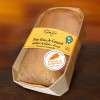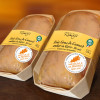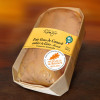


With its delicately bold flavour and melt‑in‑the‑mouth texture, the mi‑cuit foie gras terrine with Armagnac is one of the great classics of South‑West French cuisine. Made at home, it brings out all the flavours of duck and the famous Gascon spirit.
In this recipe, we explain step by step how to make an authentic terrine worthy of the finest tables, while keeping costs under control. An accessible method that lets you prepare a mi‑cuit at home that rivals the best restaurants.
Recipe at a glance
- Total time: approximately 24 hours (including resting time)
- Preparation: 20 min
- Marinating: 2 to 12 hours
- Cooking: 30 to 45 min (depending on the terrine)
- Maturing: 12 to 48 hours
- Servings: 6 to 8
Ingredients (serves 6 to 8)
- 1 raw deveined duck foie gras (approximately 500 to 600 g)
- 6 cl of Armagnac – (wide selection of Armagnac from the Gers)
- 6 to 8 g of fine salt
- 2 g of ground white pepper
- 1 pinch of sugar
- 1 pinch of four‑spice blend or nutmeg (optional)
- Some hot water or stock for the bain‑marie
Tip: remove the foie gras from the refrigerator about 30 minutes before preparation so it is easier to handle and season.
Step‑by‑step preparation of the foie gras terrine with Armagnac
Prepare and season your foie gras
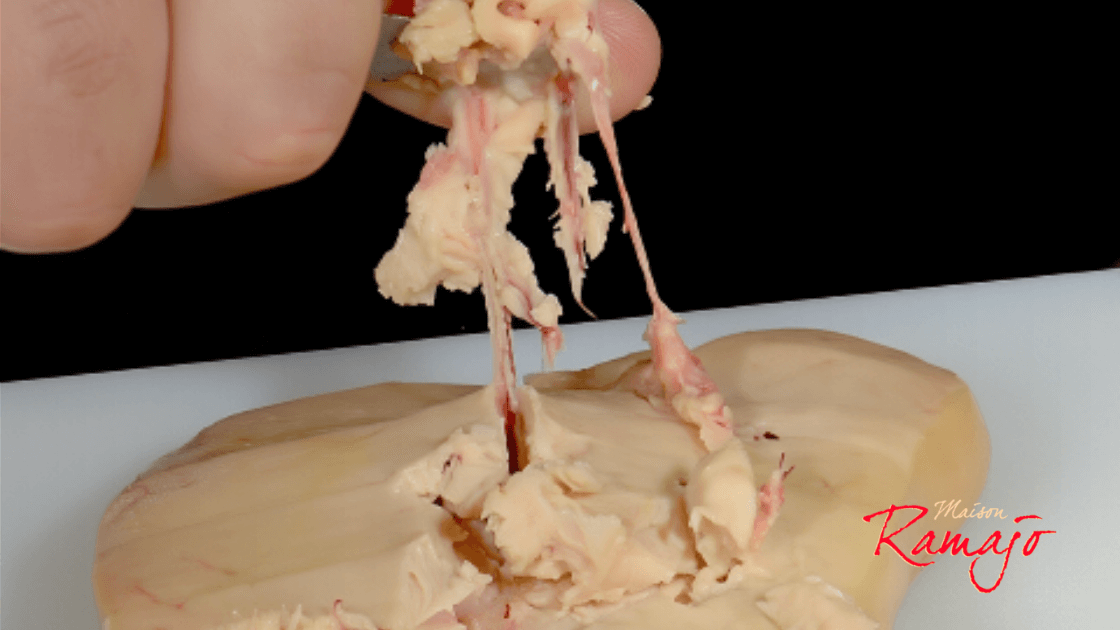
Start by taking the foie gras out of the refrigerator 20 to 30 minutes before handling. It should be supple to the touch but still firm. Gently separate the two lobes, then open them with the tip of a knife or your fingertips without tearing them.
See our guide on deveining foie gras.
Weigh the foie gras to adjust the salt and pepper to the exact gram. Spread the seasoning over all surfaces, massaging gently. Recommended seasoning per 100 g of foie gras:
- 6 to 8 g of salt
- 1.5 to 2 g of pepper
- A pinch of four‑spice blend or nutmeg (optional)
Pour the Armagnac and leave to marinate

Place the pieces of foie gras in a dish, drizzle with 2 to 3 cl of Armagnac and turn them over to distribute the marinade evenly. Leave to rest for 2 to 12 hours in the refrigerator, depending on the desired intensity of flavour.
Assemble the terrine
Place a first piece of foie gras smooth side down. Add the remaining pieces so as to fill the terrine well without pressing too hard. If you want a truffle or spiced variation, this is where you can insert thin slices or a few berries. Tap the terrine lightly to remove air bubbles.
Cook in a bain‑marie
Preheat the oven to 110–130 °C. Place the terrine in a roasting tin filled with hot water halfway up the sides and put it in the oven. Monitor the cooking with a probe inserted into the centre of the foie gras. The ideal temperature for a mi‑cuit is between 54 and 58 °C. As soon as the temperature is reached, remove the terrine.
Press the terrine (essential step)
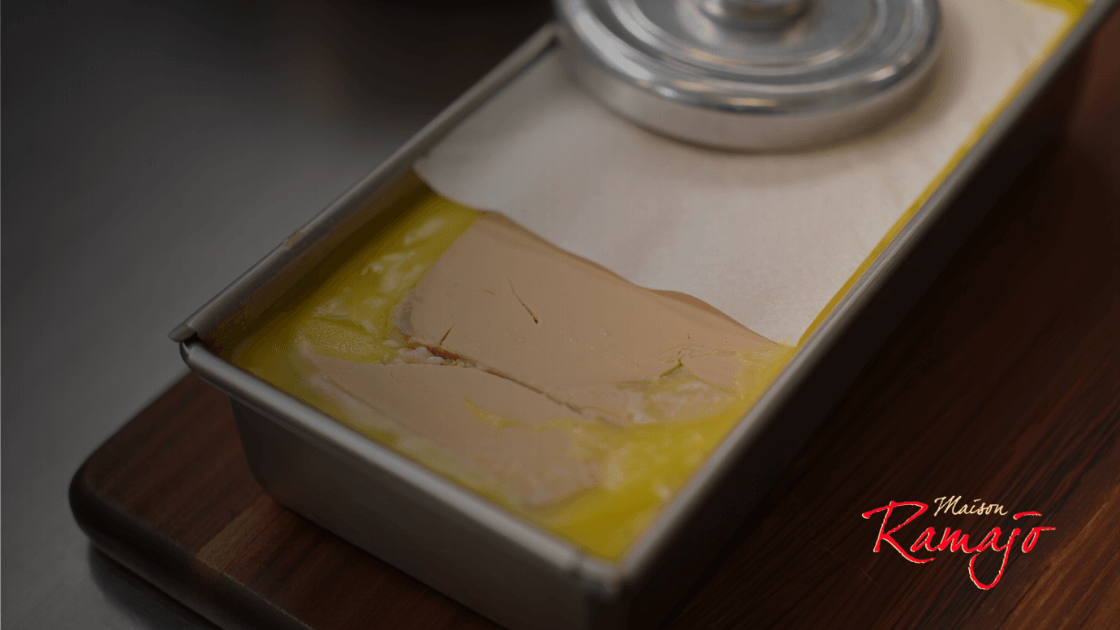
Carefully remove some of the melted fat (set it aside to cover the terrine later). Place a sheet of baking paper and a weight (a press or a clean object) to even out the texture. Leave to cool at room temperature before refrigerating.
Mature in the refrigerator, then serve
Leave the terrine to rest for a minimum of 12 hours, ideally 24 to 48 hours. Resting allows the flavours to harmonise and the texture to stabilise. Remove the terrine from the refrigerator 10 minutes before serving so it regains a little softness. Slice with a warm knife, wiped between each cut, to obtain neat, clean portions.
Serving suggestions
The best accompaniments for a foie gras terrine are those that play on contrast: the richness of the foie gras, the freshness of fruit, the crunch of toasted bread. A simple lightly toasted country bread or golden brioche is enough to enhance the melt‑in‑the‑mouth texture of the mi‑cuit. > choosing the right bread to accompany foie gras.
To add a controlled sweet note, a fig chutney, a sweet onion confit or a few fresh grapes create a beautiful balance without masking the Armagnac aroma. As for drinks, a sweet yet crisp white wine or an extra‑brut Champagne provide just the right amount of freshness to accompany the richness of the foie gras.
FAQ
How do you get the cooking right for a foie gras terrine? The key is to monitor the core temperature: a mi‑cuit is perfect between 54 and 58 °C. The terrine should cook gently, in a bain‑marie, in an oven set to around 110 to 130 °C. As soon as the internal temperature is reached, remove the terrine to avoid overcooking.
Armagnac or Cognac to flavour foie gras? Both work, but Armagnac is traditionally preferred: it brings woody, fruity and slightly vanilla notes that pair beautifully with the richness of foie gras. Cognac will give a rounder, softer aroma.
How long should a foie gras terrine rest? A minimum rest of 12 hours, ideally 24 to 48 hours, is needed for the terrine to stabilise and the flavours to harmonise.
What seasoning should you use for a foie gras terrine? Seasoning should be measured to the exact gram: approximately 6 to 8 g of salt and 1.5 to 2 g of pepper per 100 g of foie gras. A pinch of four‑spice blend or nutmeg is optional but adds an aromatic touch.
Can you prepare a foie gras terrine in advance? Yes. It keeps for 3 to 4 days in the refrigerator, well wrapped in cling film. The texture and flavour even continue to improve during the first 48 hours.
How do you prevent the foie gras from releasing too much fat? A foie gras that is too warm at the time of preparation, too long a cooking time or too high an oven temperature can cause excessive melting. Resting the foie gras before handling and precise temperature‑controlled cooking limit this issue.